Halo pembaca setia penggemar game slot online! Dalam artikel ini, kita akan membahas beberapa game slot yang sedang populer di kalangan pemain casino online, yaitu Baby CaiShen, Jewel Blast, Starburst, Fiery Sevens, Heroes: Rise of the Legend, dan Extra Chilli Megaways. Setiap game memiliki karakteristik dan fitur unik yang menarik, membawa pengalaman bermain yang berbeda-beda. Dengan grafis yang mengagumkan, bonus menarik, dan potensi kemenangan besar, game-game ini memikat para pemain untuk terus menjelajahi gulungan virtual mereka. Mari kita selami dunia yang penuh warna dari game slot online ini dan temukan apa yang membuat mereka begitu menarik!
Game slot online telah menjadi salah satu hiburan terpopuler di dunia perjudian online. Dengan berbagai tema yang menarik dan fitur-fitur inovatif, game-game ini memberikan pengalaman bermain yang seru dan mendebarkan. Artikel ini akan memperkenalkan Anda pada beberapa game slot online yang menarik, termasuk Baby CaiShen, Jewel Blast, Starburst, Fiery Sevens, Heroes: Rise of the Legend, dan Extra Chilli Megaways. Mari kita jelajahi apa yang membuat setiap game ini begitu istimewa dan mengapa mereka layak untuk dicoba!
Baby CaiShen: Keberuntungan dari Dewa Kekayaan
Baby CaiShen adalah slot yang memadukan tema Tiongkok klasik dengan grafis yang cerah dan menawan. Dalam game ini, Anda akan bertemu dengan Baby CaiShen, dewa keberuntungan dan kekayaan dalam mitologi Tiongkok. Fitur-fitur seperti putaran gratis, simbol liar, dan jackpot progresif menjadikan game ini pilihan yang menarik bagi para pemain yang mencari keberuntungan.
Jewel Blast: Ledakan Permata yang Menguntungkan
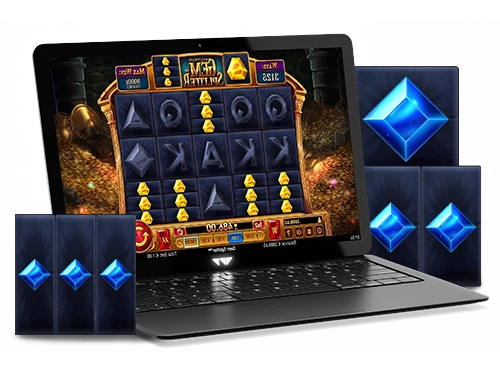
Jewel Blast adalah slot dengan tema permata yang menghadirkan pengalaman bermain yang memukau. Dengan gulungan yang dipenuhi dengan berlian dan batu mulia, game ini memberikan sensasi ledakan permata yang mempesona. Fitur-fitur seperti respin dan pengganda menjadikan Jewel Blast sebagai salah satu game slot online yang sangat menghibur.
Starburst: Bercahaya dengan Kemenangan
Starburst telah menjadi favorit di kalangan pemain slot online sejak lama. Dikenal dengan desainnya yang futuristik dan warna-warni yang menawan, Starburst menawarkan fitur-fitur sederhana namun mengasyikkan. Simbol-simbol liar yang memicu respin secara otomatis menambah keseruan bermain dan peluang untuk meraih kemenangan besar.
Fiery Sevens: Berkobar-kobar dengan Keberuntungan
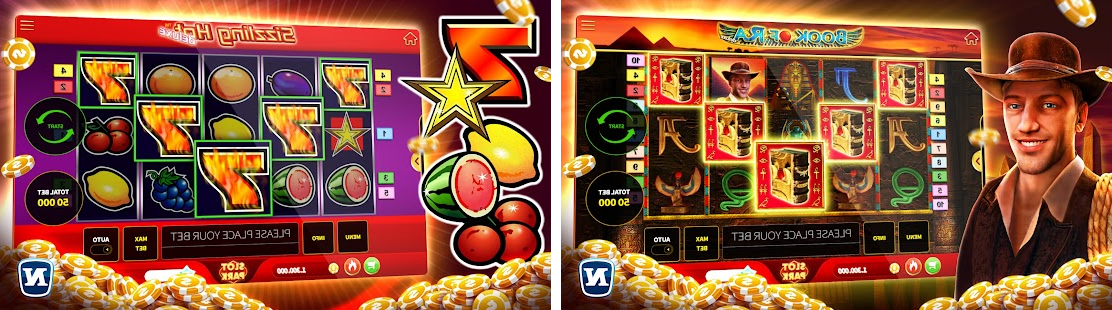
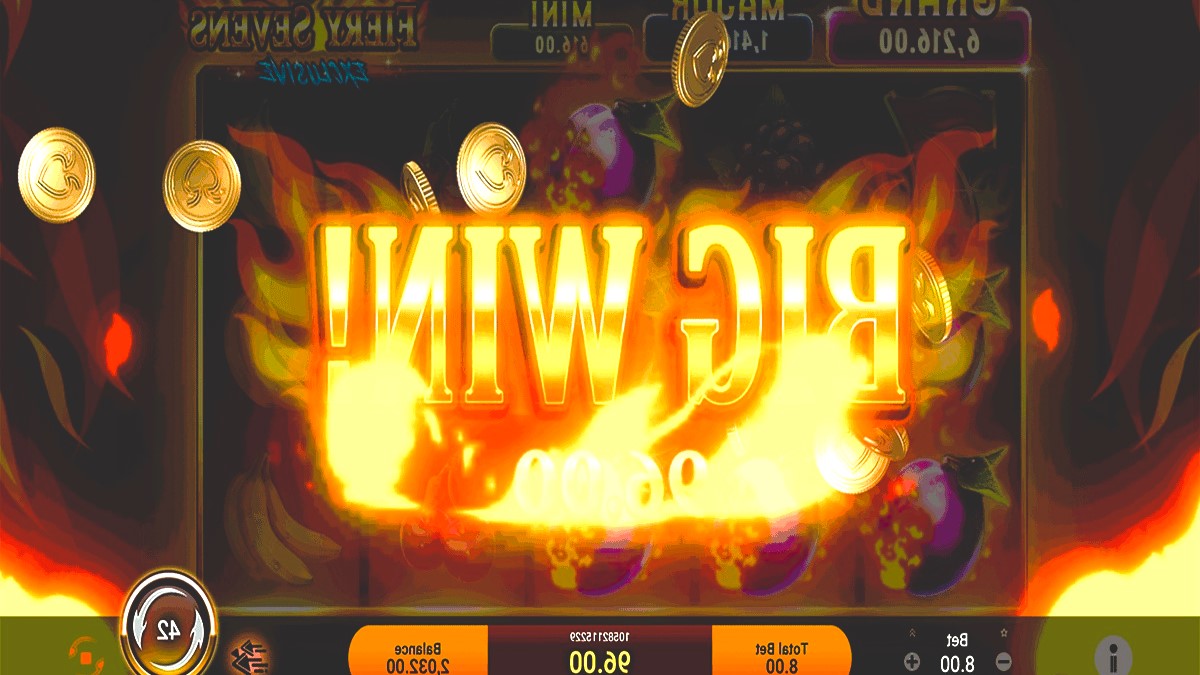
Fiery Sevens adalah slot klasik dengan tema buah-buahan yang menyala-nyala. Meskipun sederhana dalam desainnya, game ini menawarkan potensi kemenangan besar dengan jackpot progresifnya. Penggemar slot yang menyukai sensasi nostalgia pasti akan menikmati putaran di Fiery Sevens.
Heroes: Rise of the Legend: Petualangan Pahlawan yang Epik
Heroes: Rise of the Legend adalah slot dengan tema pahlawan legendaris. Game ini membawa pemain dalam petualangan yang epik dengan fitur-fitur unik seperti putaran gratis dan simbol khusus yang dapat menghasilkan kemenangan besar. Jelajahi dunia penuh keajaiban dan aksi dengan Heroes: Rise of the Legend.
Extra Chilli Megaways: Kelezatan Kemenangan yang Menggoda
Extra Chilli Megaways adalah slot dengan tema pasar makanan pedesaan yang ramai. Game ini menampilkan mekanik Megaways yang unik, menciptakan ribuan cara untuk menang dalam setiap putaran. Dengan fitur-fitur tambahan seperti putaran gratis dan pengganda, Extra Chilli Megaways menawarkan pengalaman bermain yang menggugah selera dan menguntungkan.
Baby CaiShen, Jewel Blast, Starburst, Fiery Sevens, Heroes: Rise of the Legend, dan Extra Chilli Megaways masing-masing memiliki daya tariknya sendiri bagi para penggemar slot online. Dari tema Tionghoa yang membawa keberuntungan hingga kegemerlapan permata yang memukau, setiap game menghadirkan pengalaman bermain yang menghibur dan seru. Artikel ini akan memberikan gambaran lengkap tentang fitur-fitur menarik dari masing-masing game, serta tips untuk memaksimalkan kesenangan dan peluang menang saat bermain slot online.
Dari Baby CaiShen hingga Extra Chilli Megaways, game-game slot online yang disebutkan di atas menawarkan beragam tema dan fitur menarik yang dapat menghibur dan memberikan peluang untuk meraih kemenangan besar. Jika Anda mencari hiburan kasino online yang mengasyikkan dan potensial menguntungkan, Anda dapat menjelajahi dunia slot online dengan game-game ini. Setiap game memiliki daya tariknya sendiri, jadi pilihlah yang paling sesuai dengan selera dan gaya bermain Anda, dan nikmati pengalaman bermain yang menyenangkan di dunia slot online!
Pertanyaan Umum tentang Game Slot Online
Nah ini merupakan Pertanyaan yang Sering Diajukan (FAQ) :
Bagaimana cara memainkan Baby CaiShen?
Untuk memainkan Baby CaiShen, cukup tentukan taruhan Anda dan putar gulungan. Pastikan untuk memperhatikan simbol-simbol khusus seperti wild dan scatter untuk meningkatkan peluang menang.
Apa fitur unik yang dimiliki Jewel Blast?
Jewel Blast memiliki fitur respin yang memungkinkan pemain untuk mendapatkan kombinasi kemenangan tambahan. Selain itu, ada juga pengganda yang dapat meningkatkan kemenangan Anda.
Kenapa Starburst begitu populer di kalangan pemain slot online?
Starburst populer karena desainnya yang futuristik, musik yang mengasyikkan, dan fitur simpel namun menghibur seperti respin otomatis dan simbol liar yang memicu putaran bonus.
Apakah Fiery Sevens memiliki jackpot progresif?
Ya, Fiery Sevens memiliki jackpot progresif yang dapat memberikan kemenangan besar kepada pemain yang beruntung. Kumpulkan simbol-simbol khusus untuk memicu jackpot ini.
Bagaimana cara memicu putaran gratis di Heroes: Rise of the Legend?
Untuk memicu putaran gratis di Heroes: Rise of the Legend, Anda perlu mendapatkan sejumlah simbol scatter tertentu di gulungan. Putaran gratis ini seringkali disertai dengan fitur-fitur bonus menarik lainnya.
Apa yang membuat Extra Chilli Megaways begitu menarik?
Extra Chilli Megaways menarik karena mekanik Megaways yang dinamis, yang memberikan ribuan cara untuk menang setiap kali Anda memutar gulungan. Fitur putaran gratis dan pengganda membuatnya menjadi salah satu game slot yang paling dicari oleh pemain.
Dalam kesimpulan, game slot online seperti Baby CaiShen, Jewel Blast, Starburst, Fiery Sevens, Heroes: Rise of the Legend, dan Extra Chilli Megaways telah menjadi pilihan yang populer di kalangan pecinta judi online. Setiap game menawarkan pengalaman bermain yang unik dan menyenangkan, dengan fitur-fitur khusus yang membuat setiap putaran lebih menarik. Bagi para pemain yang mencari hiburan yang mengasyikkan dan peluang untuk memenangkan hadiah besar, dunia slot online menyediakan banyak opsi yang menarik untuk dieksplorasi. Selamat bermain dan semoga keberuntungan selalu menyertai Anda di gulungan virtual!